Enjoy discounts on exclusive global exports!

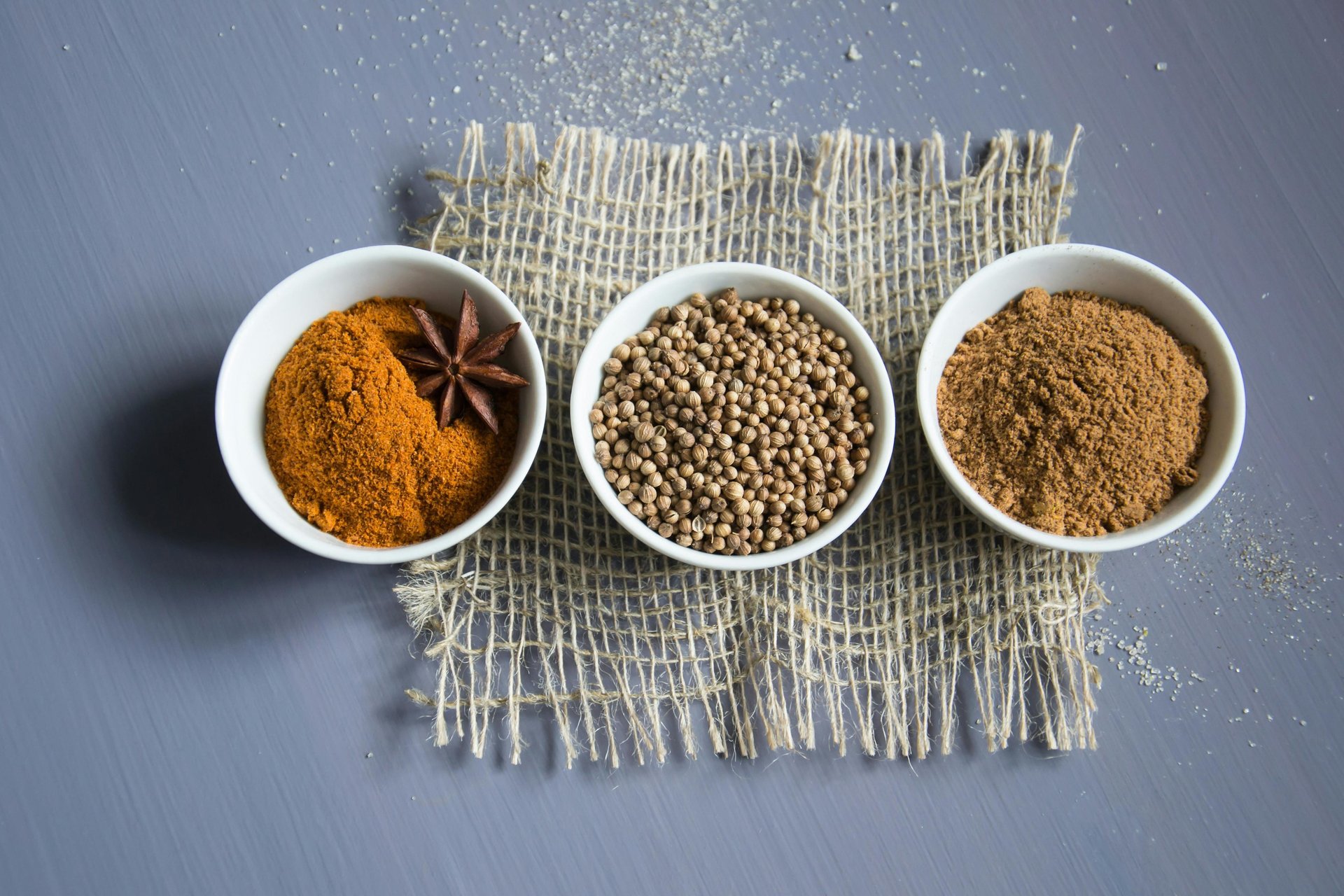
10 Indian Spices That Will Transform Your Cooking Forever
Discover the top 10 essential Indian spices that will elevate your everyday cooking. From turmeric to cardamom, learn how these flavorful ingredients can add depth, aroma, and health benefits to your meals. A must-read guide for food lovers, home chefs, and spice enthusiasts!
CEO- AxisTrade International
8/4/20253 min read
Table of Contents
Introduction
The Power of Indian Spices in Modern Kitchens
10 Life-Changing Indian Spices You Need to Try
Turmeric
Cumin
Coriander
Cardamom
Clove
Mustard Seeds
Fenugreek
Cinnamon
Asafoetida
Red Chili Powder
Tips for Cooking with Indian Spices
Best Practices for Storing Spices
Conclusion
Introduction
Indian cuisine is celebrated across the globe for its rich flavors, bold aromas, and deep cultural roots. At the heart of this culinary magic lies a powerful arsenal — Indian spices. These spices are more than just flavor enhancers; they’re packed with nutrients, therapeutic properties, and centuries-old wisdom.
In this blog, we’ll uncover 10 transformative Indian spices that can take your home cooking from ordinary to unforgettable. Whether you're aiming to spice up your recipes or add nutritional value to your meals, this guide is your starting point.
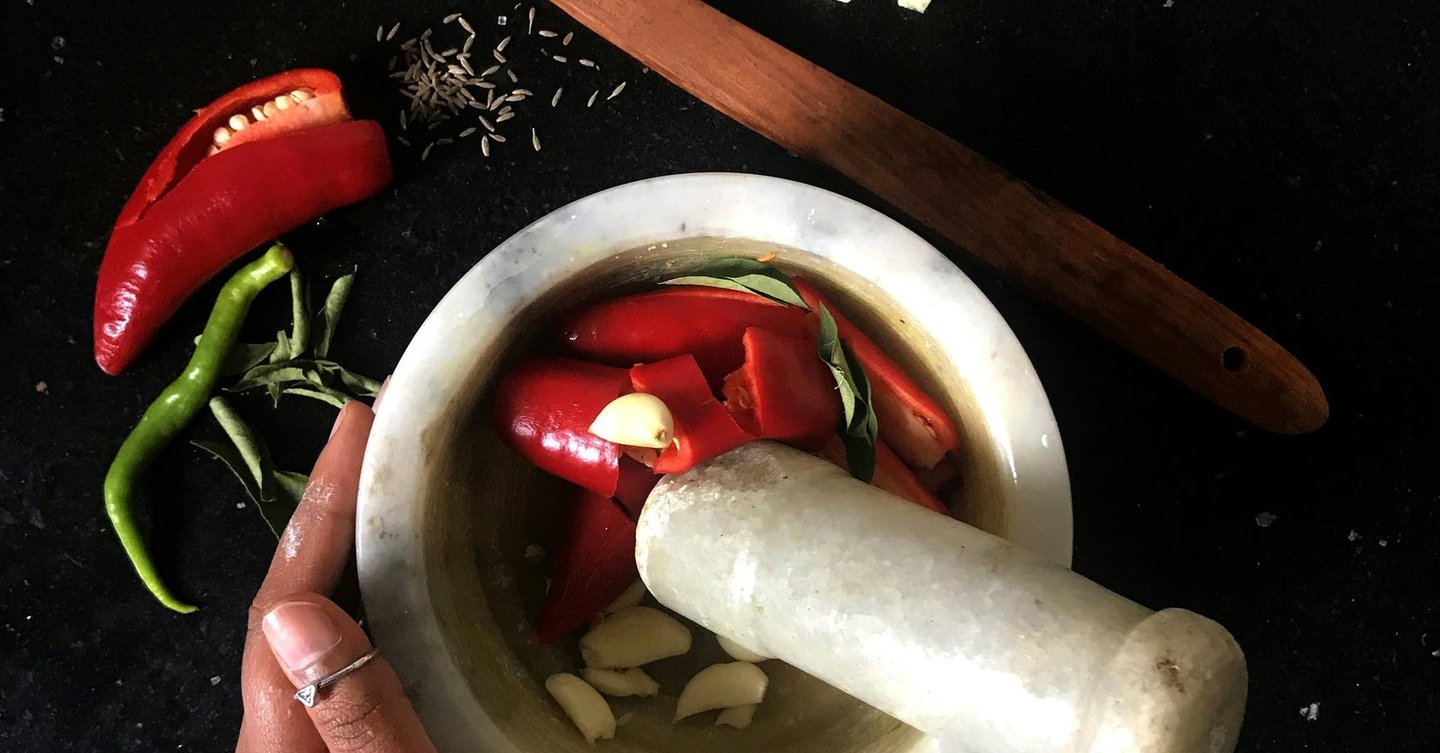
The Power of Indian Spices in Modern Kitchens
Indian spices are used worldwide not only for their unique taste profiles but also for their ability to boost health and wellness. Each spice carries a signature flavor, a rich history, and a purpose in cooking — whether it’s to balance heat, add depth, or enrich aroma.
What makes these spices stand out is their versatility. From stir-fries and soups to teas and desserts, they seamlessly blend into both traditional and contemporary dishes.re...
10 Life-Changing Indian Spices You Need to Try
1. Turmeric (Haldi)
Profile: Warm, earthy, slightly bitter
Nutritional Benefits: Natural anti-inflammatory, antioxidant powerhouse
Perfect For: Soups, curries, rice dishes, smoothies
Turmeric is widely known for curcumin, its active compound that promotes healing. It gives a golden touch to your food and a wellness boost to your body.
2. Cumin (Jeera)
Profile: Smoky, nutty, robust
Nutritional Benefits: Improves digestion, supports weight loss
Perfect For: Spice blends, lentils, roasted vegetables
Cumin seeds add bold depth to dishes when toasted and ground fresh. A staple in Indian and Middle Eastern cooking.
3. Coriander (Dhaniya)
Profile: Light, citrusy, floral
Nutritional Benefits: Detoxifying, helps lower cholesterol
Perfect For: Marinades, soups, chutneys
Both coriander seeds and fresh leaves are widely used. The seeds, when roasted, release a lemony aroma that's subtle yet refreshing.
4. Cardamom (Elaichi)
Profile: Sweet, spicy, and minty
Nutritional Benefits: Improves oral health, aids digestion
Perfect For: Desserts, tea, rice, spiced coffee
Often referred to as the “queen of spices,” cardamom is prized in both sweet and savory dishes. A little goes a long way.
5. Clove (Laung)
Profile: Warm, pungent, slightly sweet
Nutritional Benefits: Anti-microbial, pain relief properties
Perfect For: Curries, stews, spiced tea
Cloves bring intensity to dishes. Used in spice blends, biryanis, and even in baking, they provide an unmistakable aromatic punch.
6. Mustard Seeds (Sarson)
Profile: Pungent, nutty after tempering
Nutritional Benefits: Anti-inflammatory, rich in selenium
Perfect For: Pickles, tempering dals, stir-fries
When mustard seeds hit hot oil, they crackle and release a nutty aroma that forms the base of many Indian preparations.
7. Fenugreek (Methi)
Profile: Bittersweet, slightly maple-like
Nutritional Benefits: Helps manage blood sugar, supports breastfeeding
Perfect For: Vegetable curries, spice blends, herbal teas
Fenugreek is both flavorful and medicinal. It’s used as whole seeds, ground powder, or fresh leaves depending on the recipe.
8. Cinnamon (Dalchini)
Profile: Sweet, woody, spicy
Nutritional Benefits: Regulates blood sugar, antioxidant-rich
Perfect For: Desserts, rice, spiced coffee
Cinnamon sticks are added during cooking, while ground cinnamon is often used in baking and beverages. It adds warmth and comfort to every bite.
9. Asafoetida (Hing)
Profile: Pungent raw, umami-rich when cooked
Nutritional Benefits: Relieves gas, improves digestion
Perfect For: Lentil dishes, vegetable curries, vegan cooking
Used in minute quantities, asafoetida is a hidden gem in Indian vegetarian cooking. It mimics the umami of garlic and onions when sautéed in oil.
10. Red Chili Powder (Lal Mirch)
Profile: Hot, vibrant, smoky (varies by region)
Nutritional Benefits: Boosts metabolism, aids circulation
Perfect For: Curries, dry rubs, marinades
Choose from varieties like Kashmiri for color and milder heat or Guntur for bold spiciness. A staple in every Indian spice rack.
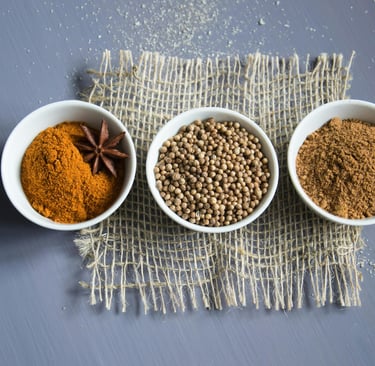
Tips for Cooking with Indian Spices
Toast whole spices before grinding to unlock deeper flavors.
Use ghee or oil to temper spices and release aroma.
Start small — Indian spices are potent, and a little goes a long way.
Balance flavors by combining warming spices with cooling ingredients like yogurt, coconut milk, or herbs.
Best Practices for Storing Spices
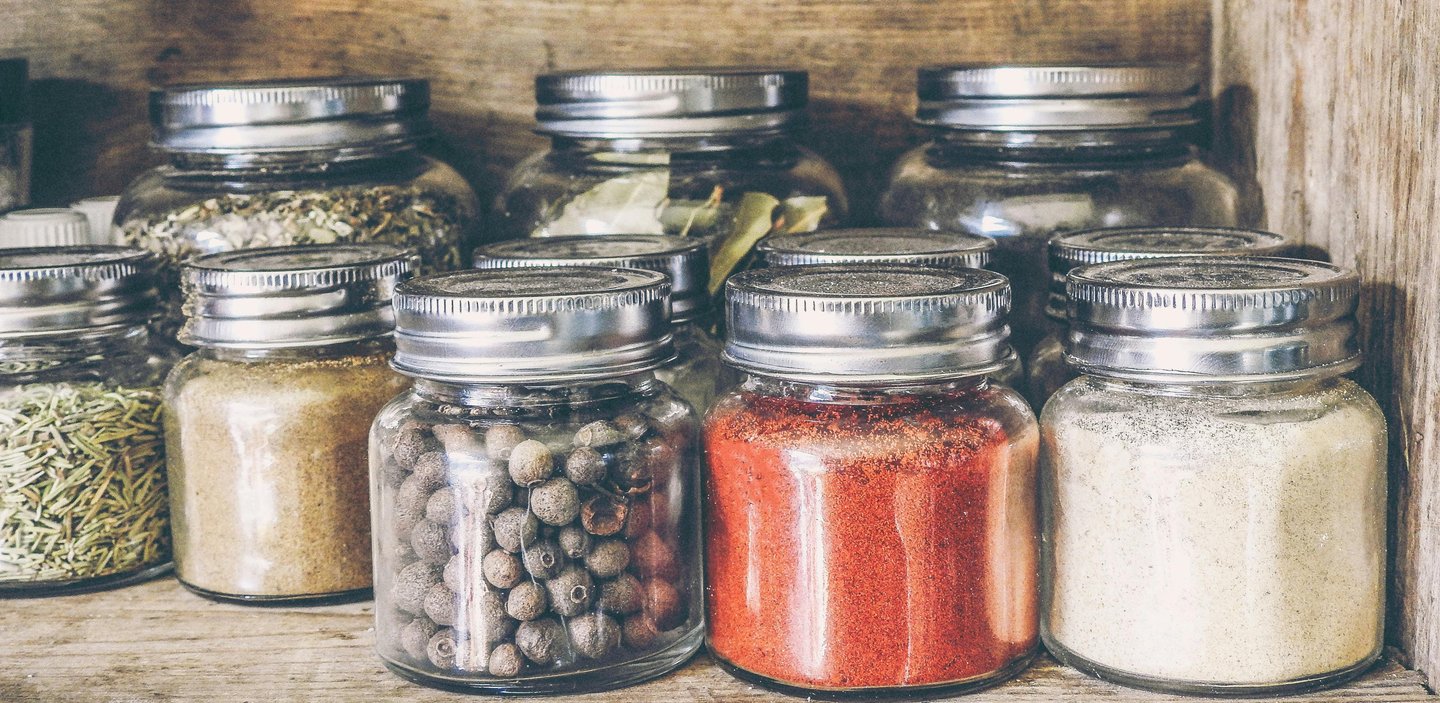
Keep spices in airtight containers, away from moisture.
Store in a cool, dark place, not above the stove.
Buy whole spices when possible and grind them fresh.
Label with purchase dates and use within 6-12 months for best potency.
Conclusion
Cooking with Indian spices is not just about adding heat or flavor — it’s about storytelling, tradition, and nourishment. These 10 transformative spices can elevate your dishes, enhance your health, and connect you to one of the richest culinary cultures on Earth.
So go ahead, explore your spice cabinet, and start your journey toward more flavorful, mindful cooking today.