Enjoy discounts on exclusive global exports!

From Leaf to Cup: The Fascinating Journey of Your Favorite Tea
Discover the amazing journey of tea from lush plantations to your teacup. Learn how tea is grown, harvested, processed, and packed – a behind-the-scenes look every tea lover must read!
CEO-AxisTrade International
8/4/20253 min read
📚 Table of Contents
Withering
Rolling
Oxidation
Drying
Introduction: The Magic in Every Sip
Every cup of tea tells a story — a journey that begins high in misty mountains or sunlit valleys and ends in your hands. Whether you're enjoying a calming green tea or a bold black brew, each leaf has traveled far, nurtured with care and crafted with skill. Let's explore this incredible journey from leaf to cup.
1. The Origins of Tea
Tea dates back over 5,000 years to ancient China, where Emperor Shen Nong is believed to have discovered it accidentally. Since then, tea has become the most consumed beverage in the world after water, with rich cultural traditions across Asia, Africa, and Europe.
2. Cultivating the Tea Plant
All true tea comes from the Camellia sinensis plant. Depending on climate, elevation, and soil, the same plant can produce green tea, black tea, oolong, and white tea. Ideal growing regions include:
India (Darjeeling, Assam, Kangra)
China (Yunnan, Fujian)
Sri Lanka (Ceylon)
Japan (Shizuoka, Uji)
Kenya and Africa
Tea thrives in high-altitude regions with heavy rainfall and rich soil.
3. Harvesting: Timing is Everything
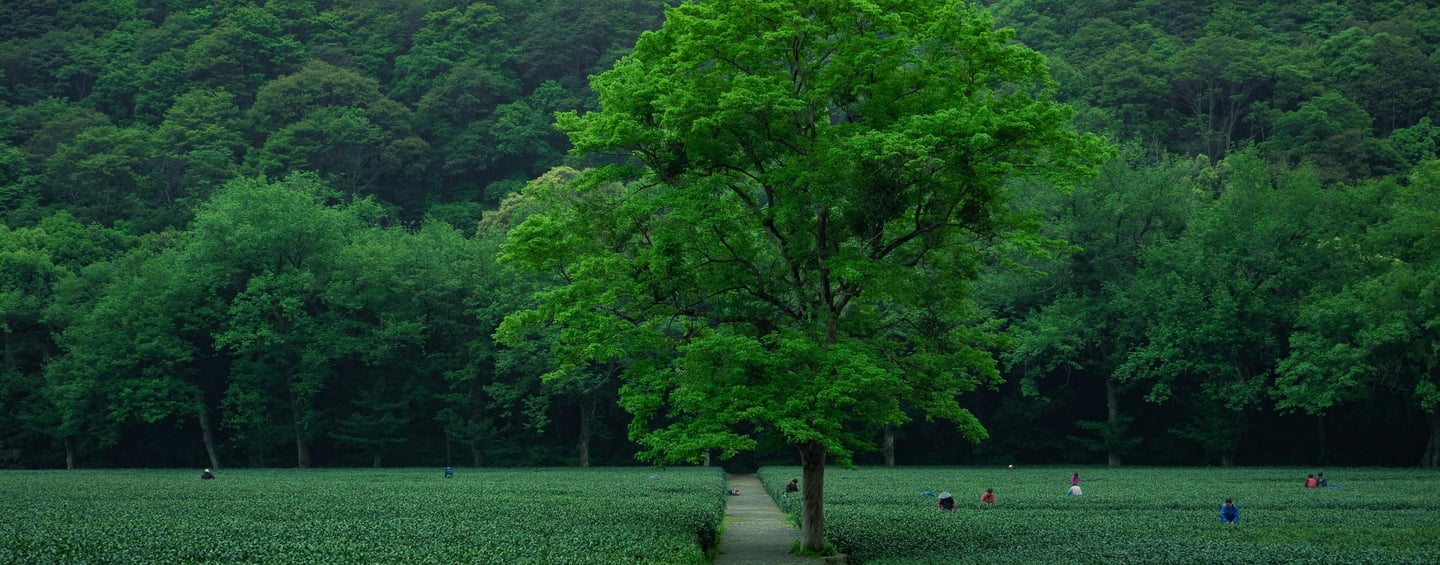
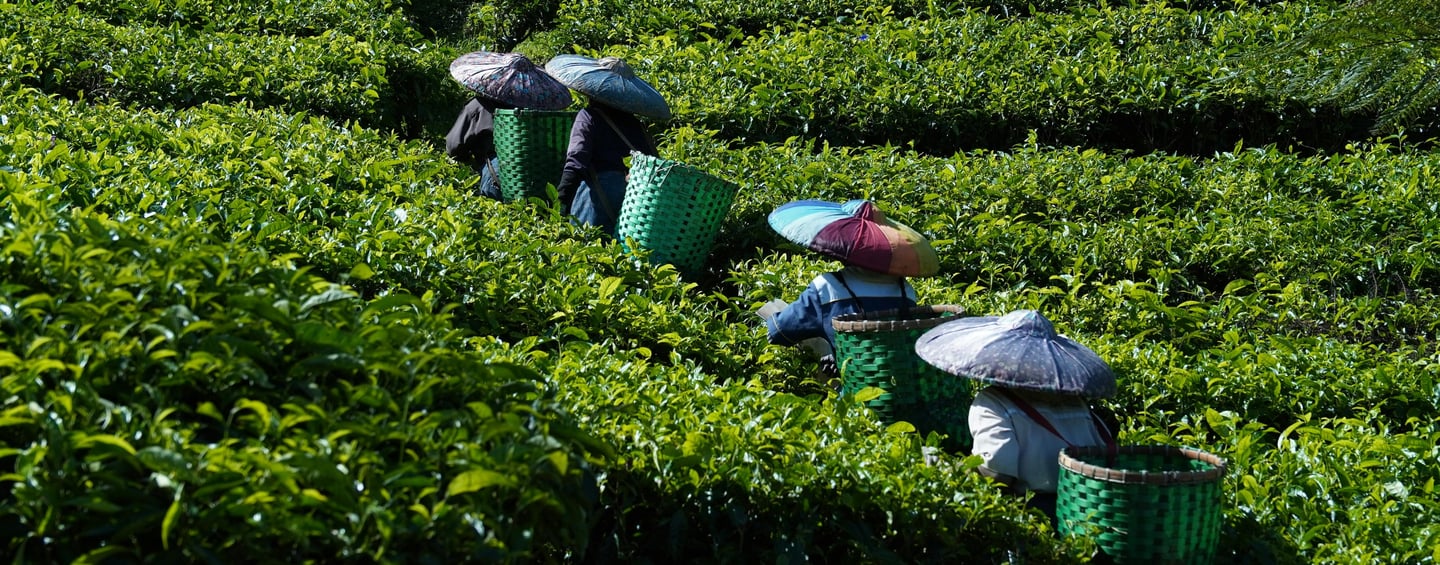
Tea leaves are typically hand-plucked to ensure quality. The best harvests – known as first flush – yield tender young leaves that are rich in flavor and nutrients.
Types of plucking:
Two leaves and a bud (most prized)
Machine plucking (used for mass-market tea)
Harvesting seasons vary by region but usually happen multiple times a year.
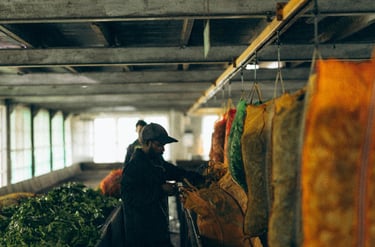
4. The Art of Tea Processing
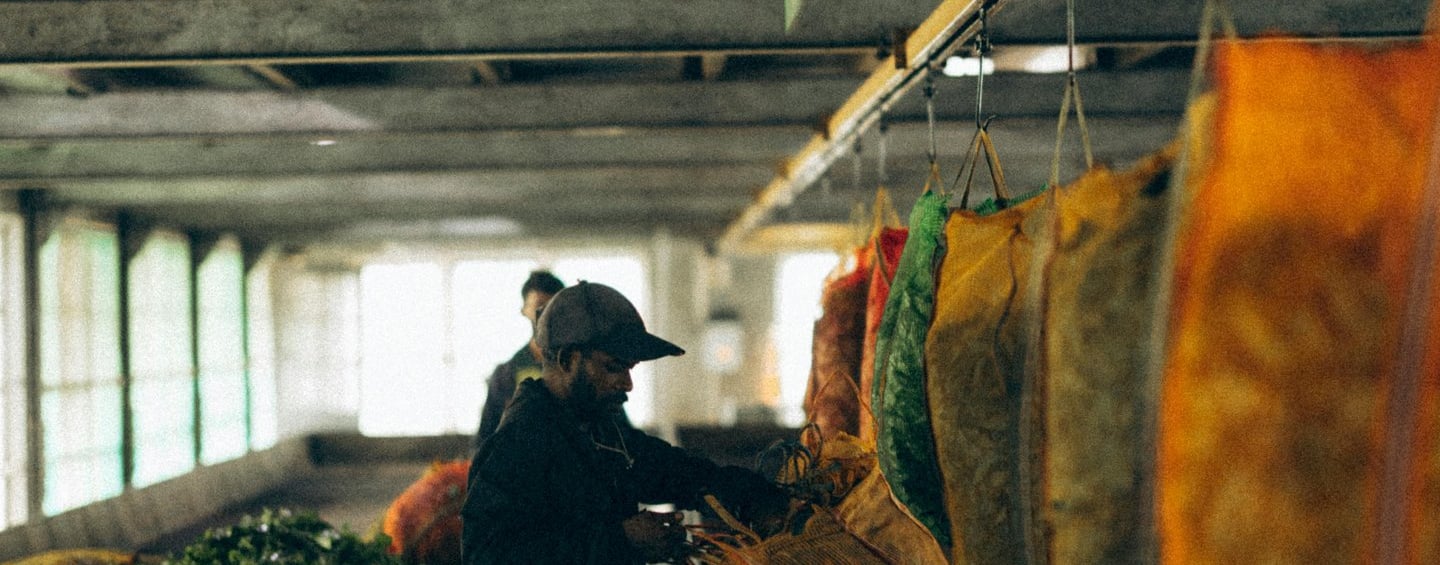
This is where magic meets method. The way tea is processed determines its type, flavor, aroma, and color.
🌿 Withering
Freshly plucked leaves are spread out to reduce moisture. This softens the leaves for rolling.
🌀 Rolling
Leaves are twisted or crushed to break cell walls and release natural enzymes.
🌬️ Oxidation
Leaves are left to oxidize (react with oxygen), which darkens the tea and develops deeper flavors. Green teas are minimally oxidized, while black teas are fully oxidized.
🔥 Drying
The leaves are dried using hot air or pan-firing to stop oxidation and lock in flavor.
5. Sorting, Grading & Quality Control
Once processed, tea leaves are:
Sorted by size and type (whole leaf, broken leaf, fannings, dust)
Graded (e.g., FTGFOP, BOP, Dust) to reflect quality
Inspected for moisture, aroma, taste, and purity before packing
6. Packaging and Export
To preserve freshness, tea is packed in moisture-proof bags, tins, or vacuum-sealed pouches. Exporters follow international standards and often ship teas in:
Bulk containers
Consumer-ready packs (100g, 250g, 500g)
Private-label branding for global tea brands
Countries like India, China, Sri Lanka, and Kenya are top tea exporters, serving markets across Europe, North America, the Middle East, and beyond.
7. Brewing the Perfect Cup
Brewing brings out the final essence of tea’s journey. Here's how to do it right:
Tea Type Temp (°C) SteepTime
Green Tea. 75–85. 2–3 mins
Black Tea. 90–100 3–5 mins
Oolong Tea. 85–90 3–5 mins
Oolong Tea 85–90 3–5 mins
White Tea 75–80 4–5 mins
Herbal Tea 95–100 5–7 mins
Always use fresh, filtered water and avoid oversteeping to prevent bitterness.
Conclusion: The Journey Continues in Every Sip
Behind every teacup is a story of nature, tradition, and craft. The next time you enjoy your brew, take a moment to appreciate the incredible journey it took – from leaf to cup. Whether it’s a cozy morning ritual or a calming evening pause, tea brings the world together one sip at a time.